On the occasion of Pilot Expo 2026 in Brussels, Cantor Air announced the acquisition of three new Tecnam P2006T NG (Next Generation) aircraft, which will enter the fleet in the first months of 2027.
This is not simply a fleet expansion, but a strategic investment aligned with a clear vision: to continuously elevate the quality of the training pathway and prepare pilots who are increasingly aligned with the standards of modern air transport.
A Development Plan Launched in 2025
The introduction of the new P2006T NG aircraft is part of a structured growth plan that began in 2025, when the fleet was strengthened with:
• 3 new Tecnam P2010 TDI
• 2 additional Tecnam P2008 JC
With this latest acquisition, by 2027 Cantor Air will operate a fleet of 22 aircraft alongside a latest-generation FNPT II simulator.
This is not merely a numerical milestone, but a methodological foundation: ensuring that each student can train in a stable, modern, and technologically consistent environment from the beginning to the end of their journey, while maintaining high operational standards without compromising continuity and quality.
Technological Continuity Throughout the Entire Training Path
The choice of the P2006T NG reinforces the fleet standardization philosophy.
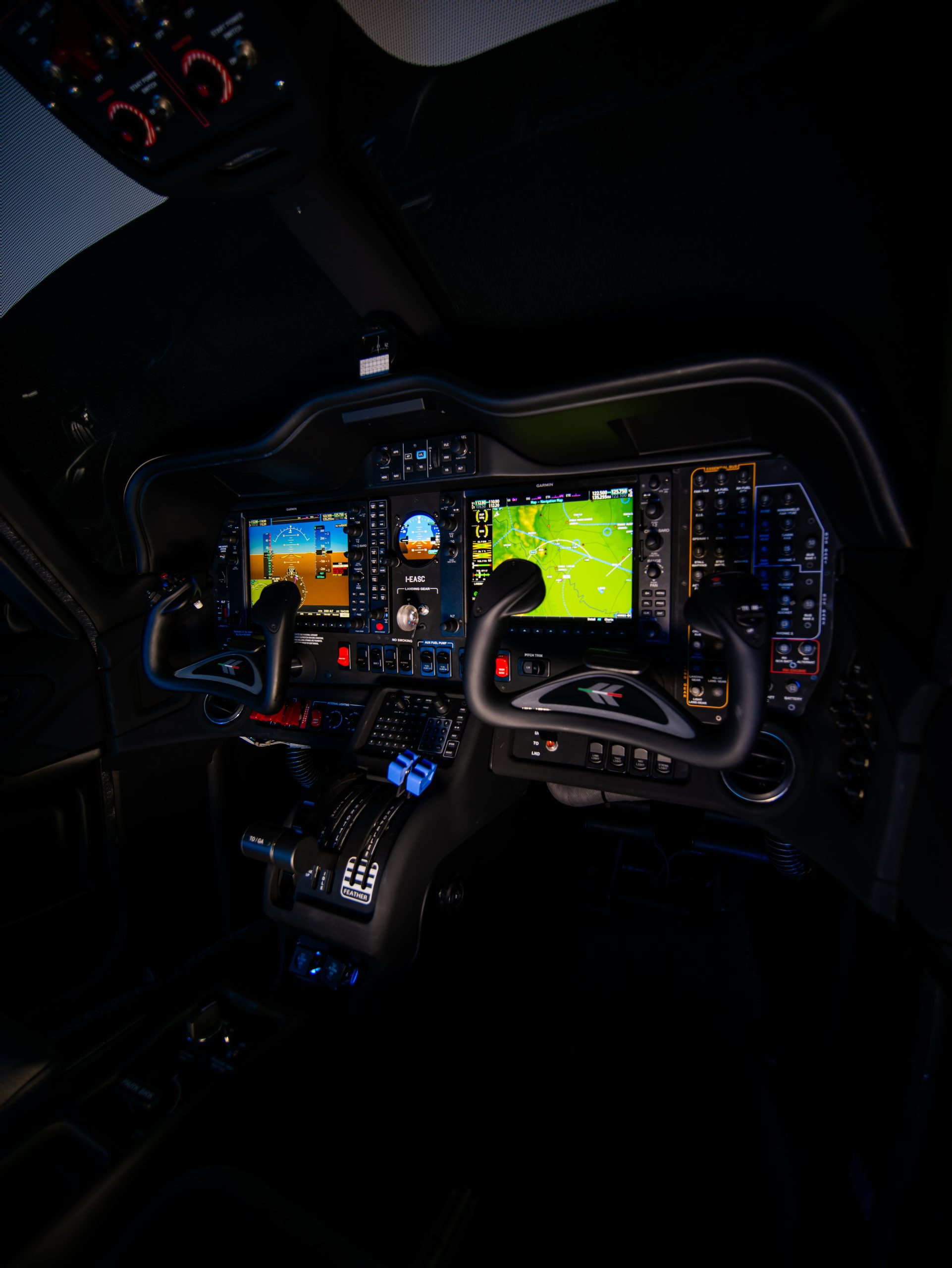
Students continue their IR and CPL phases on a platform that ensures avionics continuity with previous stages: both the P2010 TDI and the P2006T NG are equipped with the Garmin G1000 NXi.
This consistency allows for smooth training progression, reduces technological discontinuities, and supports the gradual development of increasingly structured operational competencies.
The P2006T NG also integrates advanced systems that bring students closer to the operational standards of modern airlines, fully aligned with Competency-Based Training principles.
Training Pilots Aligned with Today’s Market
Airlines today are seeking professionals ready to operate within highly standardized and technologically advanced environments.
Accumulating flight hours is no longer sufficient. What is required is operational discipline, familiarity with advanced avionics, structured multi-engine management, and sound decision-making in complex scenarios.
The evolution of the fleet therefore becomes a tangible tool supporting a high-quality program designed to guide students toward a solid and industry-aligned professional career.
Quality, Efficiency, Sustainability
The P2006T NG is equipped with Rotax 912iS fuel-injected engines, characterized by reduced fuel consumption and greater efficiency compared to many traditional twin-engine aircraft.
The combination of modern powerplants and a lightweight airframe allows for lower fuel burn per flight hour and reduced overall emissions, while maintaining high safety and reliability standards.
For Cantor Air, sustainability means making responsible technical choices: training the pilot of the future within a modern, efficient framework that is conscious of aviation’s evolving environmental requirements.
A Vision Looking Ahead
The acquisition of three new Tecnam P2006T NG aircraft represents not just fleet expansion, but confirmation of a consistent commitment to training excellence for future generations of airline pilots. In a constantly evolving market, investing in technology, continuity, and sustainability means taking responsibility for preparing professionals who are competent, aware, and ready to integrate into modern air transport.
For Cantor Air, preparing tomorrow’s pilot means building today a solid, coherent training environment aligned with industry standards.
And it is precisely in this direction that our journey continues.
Fly as You Train. Train as You Fly
Want to Know More?
The Cantor Air team is ready to answer any questions regarding our services and offers.